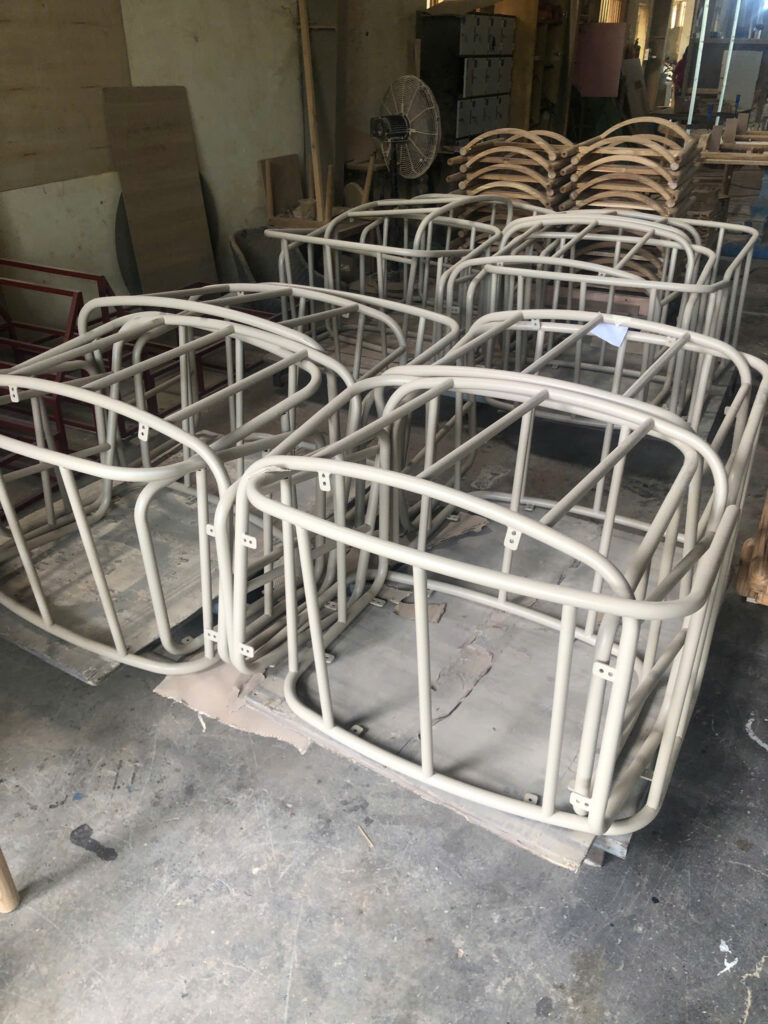
This week, I took a field trip to a wood manufacturing facility located in the heart of Binh Duong province—long recognized as the manufacturing and processing hub for Vietnam’s wood and furniture export industry.
This facility specializes in manufacturing high-end outdoor wooden products, ranging from wooden saunas to outdoor garden playhouses. Every single product is manufactured on an OEM/ODM basis, fulfilling direct orders from their parent company in the United States.
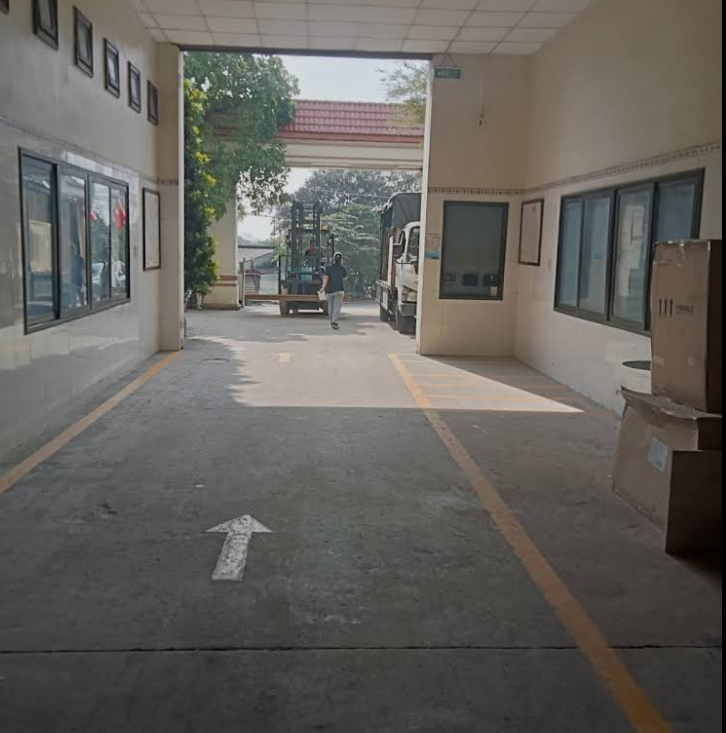
What stood out most was their operational model and organizational management structure:
- Raw Materials: Primarily imported from China. This is a very common and effective model adopted by Chinese-invested enterprises establishing factories in Vietnam—leveraging local processing capacities, favorable trade terms, and optimized logistics to export to the US market.
- Workforce & Organizational Structure:
- Factory Manager (American): Oversees technical compliance, quality standards, and alignment with US market expectations.
- Office & Admin Staff (Chinese): Manages day-to-day operations, technical engineering, procurement, and supply chain logistics for raw materials from China.
- Factory Floor Workers (Vietnamese): Skilled, hardworking local craftsmen directly executing production on the shop floor with high efficiency.
Looking at this structure, one sees a textbook example of Specialization and Ecosystem Synergy. Each piece of the puzzle focuses exclusively on what it does best, resulting in a seamless, highly competitive supply chain.
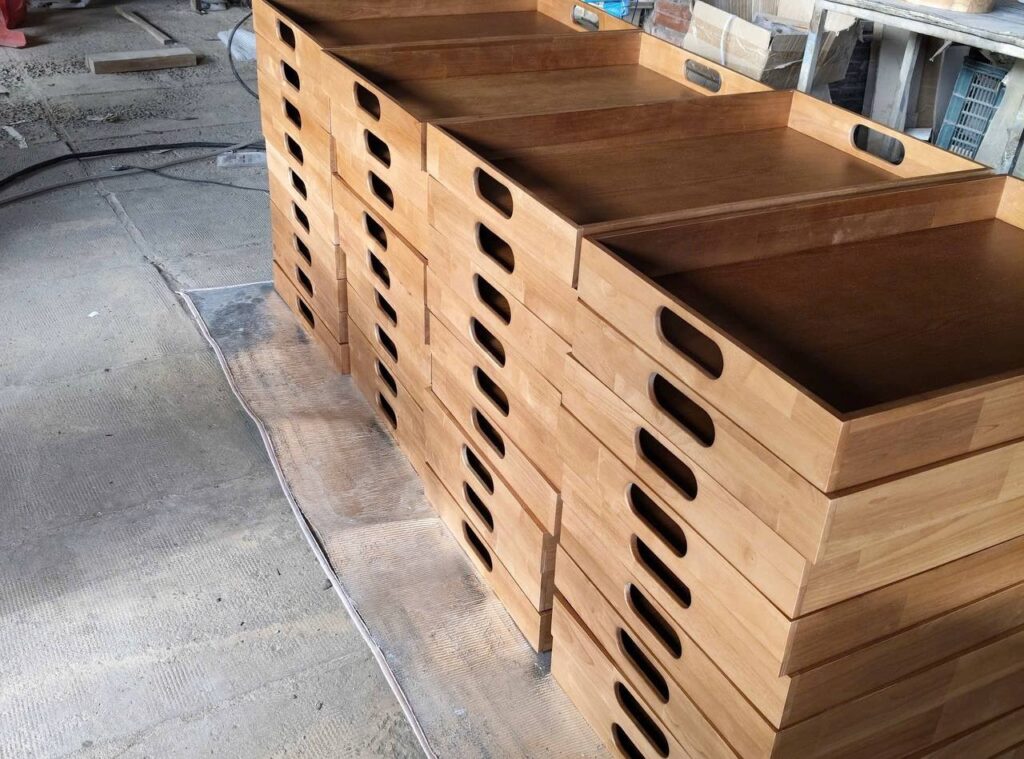
From Factory Insights to the Role of a Trading & Sourcing Partner
Reflecting on this visit made me think deeply about the value proposition of export trading and sourcing companies like Pacific Goods.
In today’s global economy, there is a common misconception that a strong exporter must physically own dozens of factories or vast raw material plantation sites. However, modern supply chain dynamics prove otherwise: True strength lies not in owning every asset, but in the ability to connect and manage an integrated ecosystem.
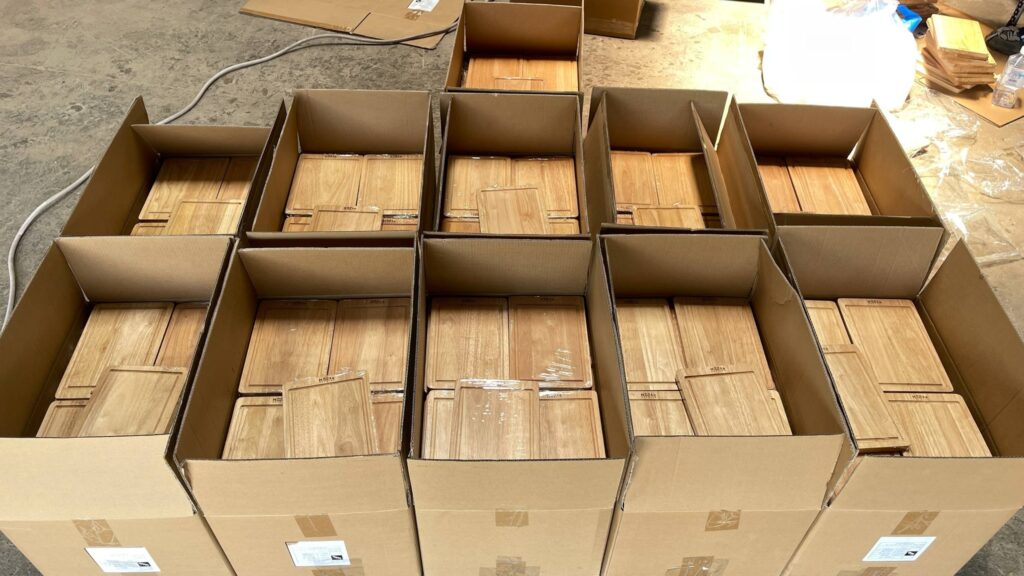
At Pacific Goods, while our core function is commercial trading, sourcing, and export facilitation, the fundamental value we bring to international partners is a fully integrated, specialized ecosystem:
- Pacific Goods – Communication & Quality Control (QC) Hub:
- We act as the crucial bridge—fluent in international business language, cultural nuances, and strict quality standards.
- Our specialized QC team conducts rigorous on-site inspections at every stage of production, ensuring that every shipment leaves port in 100% compliance with client specifications.
- Network of Partner Factories – Experience, Craftsmanship & Production Capacity:
- Rather than carrying high fixed overhead costs, we strategically partner with trusted, specialized manufacturers.
- These factories provide true manufacturing power: advanced machinery, skilled artisans, and deep product expertise. Each partner factory in our ecosystem is an expert in its respective niche.
- Logistics & Supply Chain Partners – Seamless Execution:
- We work hand-in-hand with top-tier logistics providers, freight forwarders, and customs clearance experts. This specialization minimizes transit times, optimizes freight costs, and mitigates supply chain disruptions for our global clients.
Final Thoughts
This visit to Binh Duong reinforced a core belief: No single business can do everything perfectly on its own, but a well-coordinated ecosystem can solve even the most complex supply chain challenges.
At Pacific Goods, we do more than just trade products or source goods. We deliver reliable, optimized, and sustainable supply chain solutions to our international partners by leveraging the power of connection and specialization.
Leave a Comment