In software, a bug crashes an app. In global sourcing, a “bug” cracks a wooden salad bowl inside your customer’s kitchen and triggers a wave of 1-star reviews on Amazon.
We recently tested our first batch of tableware samples intended for the US market. Visually? They were beautiful. The wood grain was gorgeous, and the cuts were sharp.
But instead of rushing to mail them to international buyers, I ran a “local deployment test”. I brought them into my own kitchen, used them for hot meals, and washed them with standard dish soap.
The system crashed within days:
👉 The oiled plates became rough and faded.
👉 The glossy bowls began to blister, delaminate, and peel under warm water.
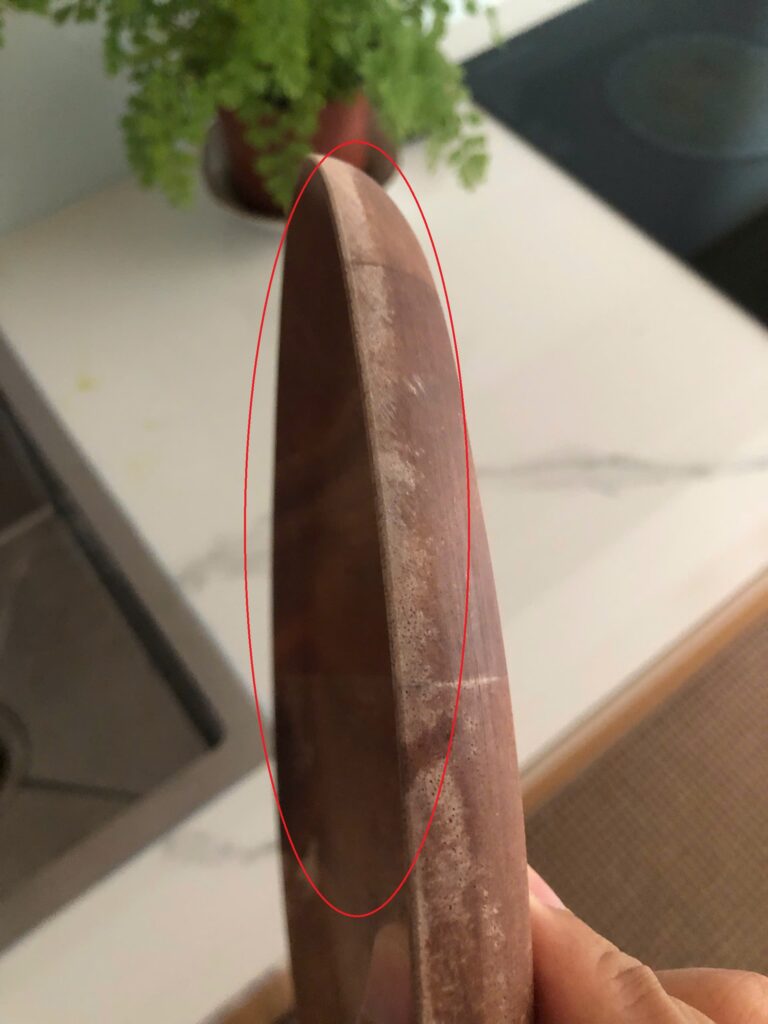
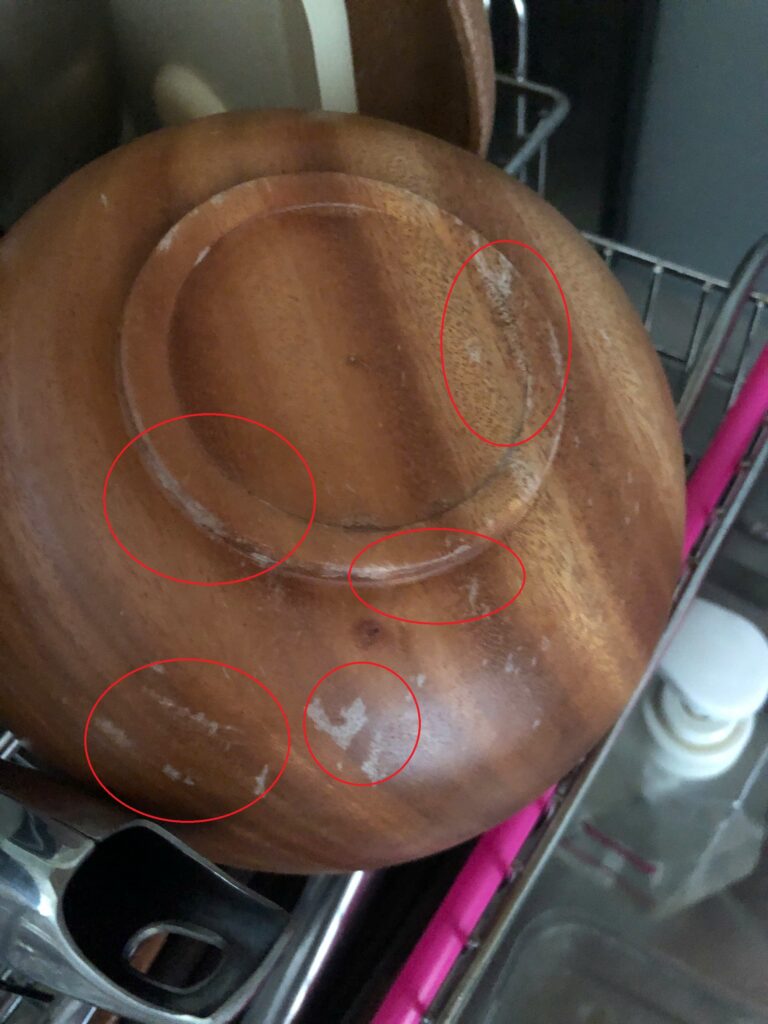
The Root Cause?
The factory used standard industrial NC lacquer (which is highly water-sensitive and violates food-safety expectations) and non-drying vegetable oils (which go rancid and sticky inside humid shipping containers).
We hit “Pause” and initiated a full technical overhaul with our workshop:
1️⃣ Moisture Content (MC): Hard lock at 8% – 12% to match North American climates and prevent cracking.
2️⃣ Sanding: Upgraded to #400 grit fine-sanding to eliminate grain raising.
3️⃣ Finishing: Replaced industrial coatings with Food-grade Mineral Oil + Natural Beeswax and certified Food-safe Water-based topcoats.
Building a resilient B2B supply chain out of Vietnam requires more than just translating emails—it requires empathy for the end consumer. If a product isn’t safe or durable enough for my family’s dinner table, it will never find its way into your container.
We are taking the hit on time and material costs for round two of prototyping, because when we ship to Amazon FBA or US retail chains, we ship zero-defect peace of mind.
Are you looking for a sourcing partner in Vietnam who acts as your strictest QC gatekeeper before production even starts? Let’s connect. 🤝
Leave a Comment