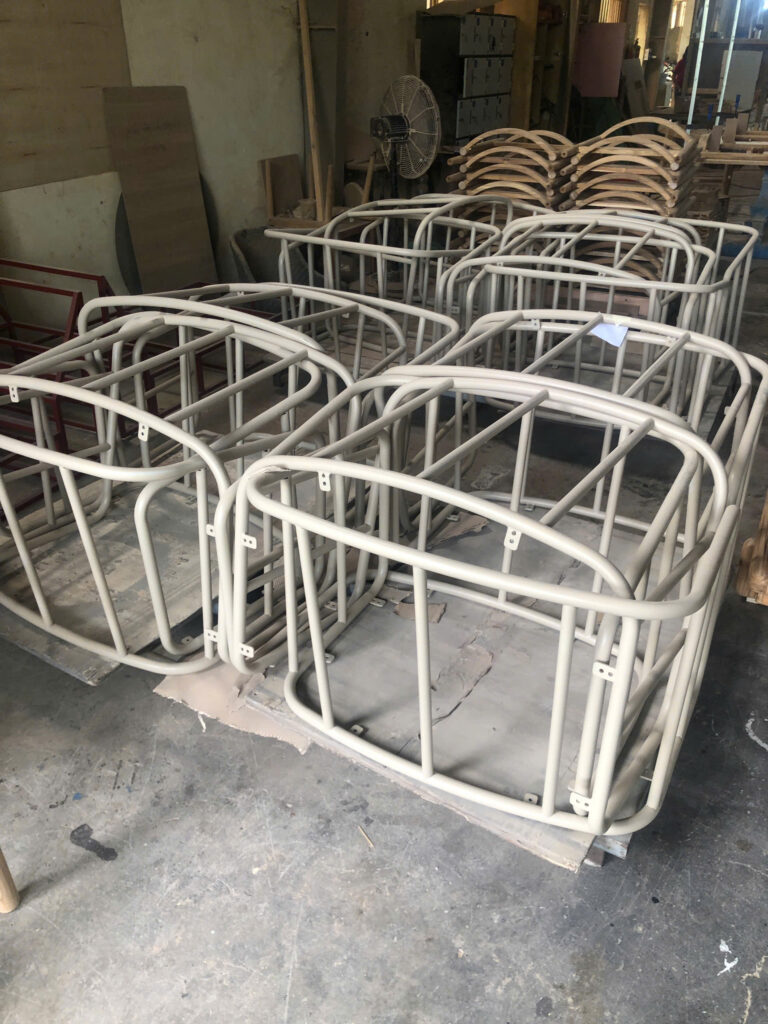
When an international buyer steps onto a factory floor in Vietnam for the first time, the sensory overload is real. The roar of CNC machines, the smell of fresh timber, and row upon row of unfinished chair frames can easily blur together.
Many buyers ask me: “Taiho, when I only have two hours to audit a facility, how can I quickly tell if a factory is truly serious about long-term partnership, or if they are just running a low-cost, short-term operation?”
My answer usually surprises them because I don’t point to the showroom or the high-end office.
I tell them to look up at the roof.
The Story of the Solar Roof: More Than Just Clean Energy
Trust me on this—after walking through dozens of furniture plants across Vietnam’s main manufacturing hubs, I’ve developed an eagle-eye intuition for factory readiness. And one of the clearest, most undeniable signals of a “serious” manufacturer today is whether they have invested in a Rooftop Solar PV System.
Why is a solar roof such a powerful litmus test for a B2B buyer?
1. It Proves Long-Term Capital Commitment
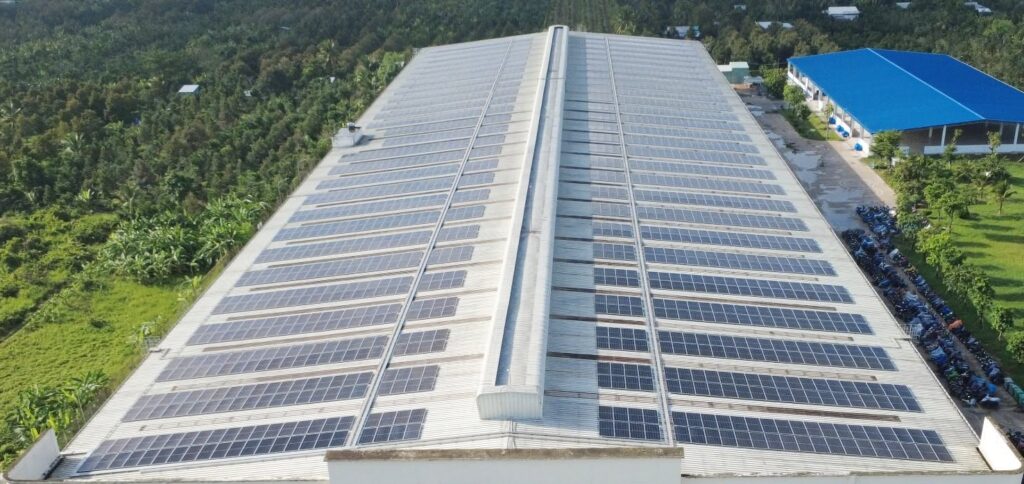
Installing a commercial-scale solar system on a 10,000+ sqm factory roof requires substantial upfront capital and a commitment to stay in business for the next 15–20 years. A fly-by-night workshop or a middleman leaseholder will never invest in rooftop solar. When you see solar panels, you know the owner is building an enterprise for the long haul.
2. It Shows Real ESG Action, Not Just Marketing Buzzwords
Every global retail brand today demands ESG (Environmental, Social, and Governance) compliance. But while many suppliers simply print green logos on their brochures, a solar-powered factory is actively reducing carbon emissions every single hour the machinery runs. They don’t just talk about sustainability—they built it into their infrastructure.
3. It Guarantees Price Stability When Energy Costs Spike
Furniture manufacturing—especially kiln drying, heavy-duty dust extraction, and UV curing lines—is an absolute energy hog. When utility grid prices or diesel costs jump, traditional factories face sudden margin squeezes, leading to awkward “price increase” emails mid-season. A factory with rooftop solar hedges its energy overhead, allowing it to offer you far more stable, predictable FOB pricing.
Looking Beyond the Surface
When Pacific Goods Vietnam takes global buyers on factory tours, our job isn’t just to translate conversations. It’s to help you read the subtle structural cues that reveal a factory’s operational discipline.
A plant owner who invests in rooftop solar is usually the same owner who invests in automated dust filtration to protect worker health, proper timber kiln-drying controls, and transparent COGS accounting.
In today’s competitive sourcing landscape, you don’t need a 50-page audit report to spot a top-tier partner. Sometimes, the clearest answer is right above your head.
👉 Planning your next factory audit trip in Vietnam? Let Pacific Goods Vietnam guide you to vetted, future-ready manufacturers. Contact us today to map out your sourcing itinerary.