There is a unique privilege that comes with spending days on the road, stepping inside humming production facilities, and sitting down over tea with factory owners across Vietnam.
When you do this long enough, something fascinating happens: you start connecting the invisible dots.
You stop seeing products as isolated items on a shelf. Instead, you see the entire living line—from the factory owner’s vision and the raw material flow to the B2B buyers, the estimated COGS (Cost of Goods Sold), and the final retail showroom.
At Pacific Goods Vietnam, our daily work goes far beyond reading product catalogs or sending email quotes. It is about building an intuitive, boots-on-the-ground understanding of Vietnam’s manufacturing landscape.
Recently, three distinct factory visits connected in my mind, proving just how powerful local sourcing expertise can be for global buyers.
1. The Beverage Line: From a Social Media Feed Back to the Factory Floor
A few days ago, I was scrolling through my social media feed and stumbled upon a promotional video for a popular local beverage line—a healthy herbal and fruit drink.
As the video zoomed in on the automated filling machines and packaging line, I couldn’t help but smile. I immediately recognized the exact factory floor, the equipment layout, and the production process.
Just a few days prior, I had been in direct conversations with the female owner of that exact beverage plant. Having walked through her production line, I didn’t just recognize the brand on screen—I already understood their daily capacity, their quality control protocols, and their unit cost structure before those cans even hit the market.

2. The Outdoor Structure: Tracing the Path from Factory to Suburban Real Estate
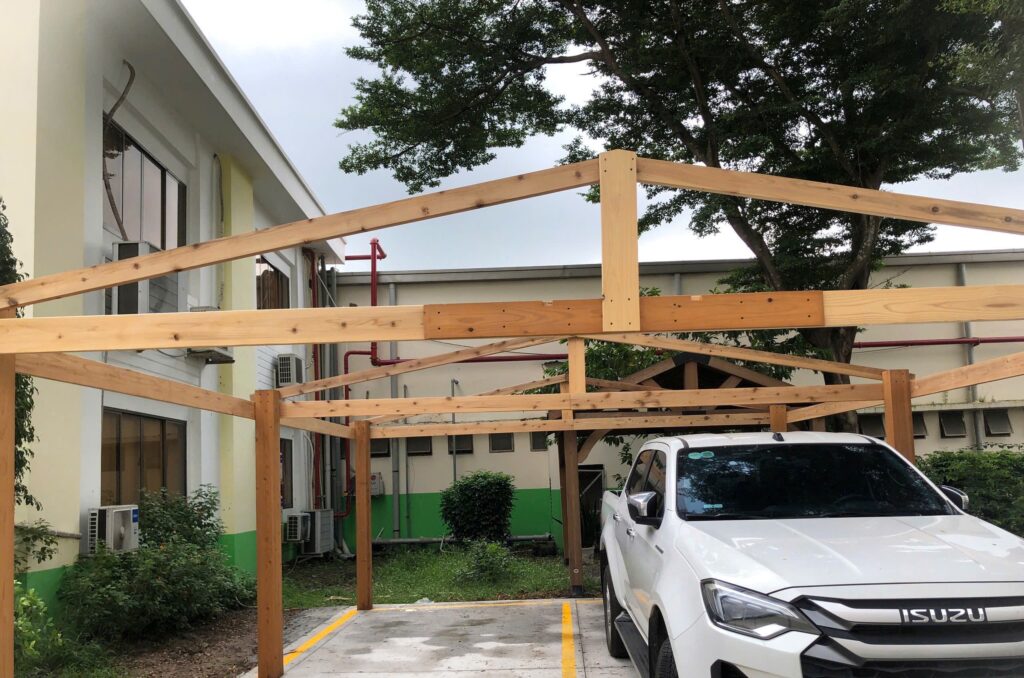
On another field trip, I visited a woodworking facility specializing in outdoor wooden structures—carports, pergolas, and outdoor living elements designed specifically for export to the United States market.
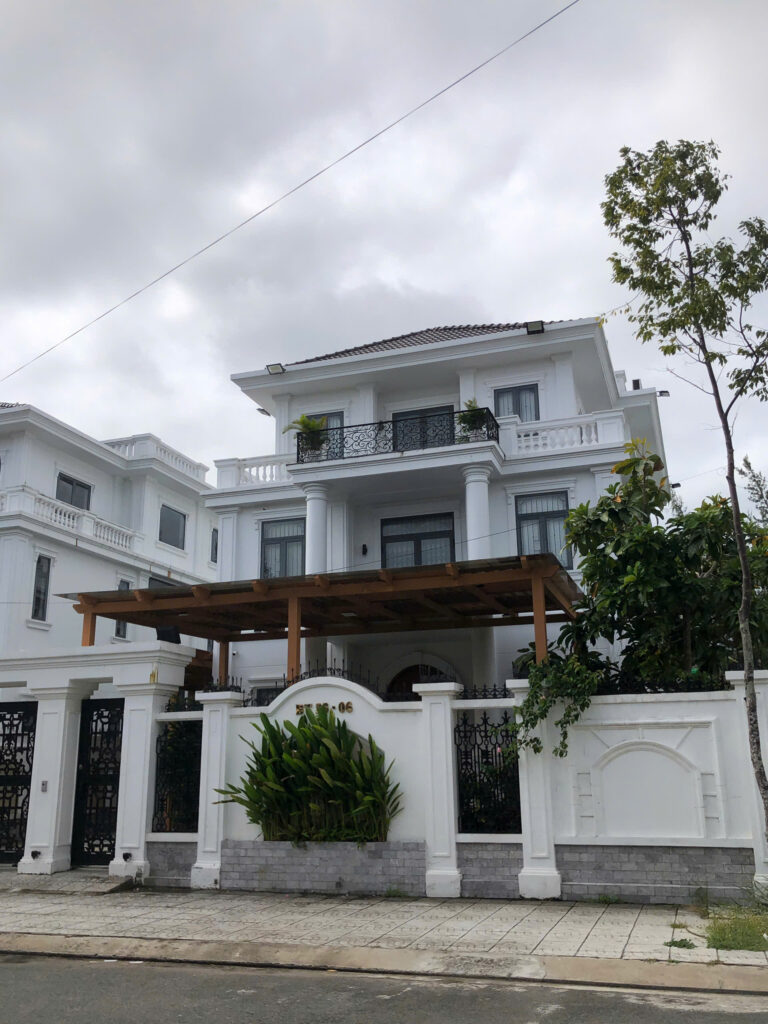
Shortly after, I took a business trip down to My Tho—a province in Vietnam’s Mekong Delta. While driving past a newly developed residential township, I looked out the window and spotted an outdoor wooden carport almost identical to the ones we had inspected at the export plant days earlier.
In that instant, the complete distribution chain mapped itself out in my head: from the raw timber factory floor to B2B export partners to high-end real estate developers and local furniture showrooms.
Seeing how a product performs under both rigorous export standards and local tropical conditions gives us invaluable insight when advising international buyers on product durability and material selection.
3. The Footwear & Fashion Crossover
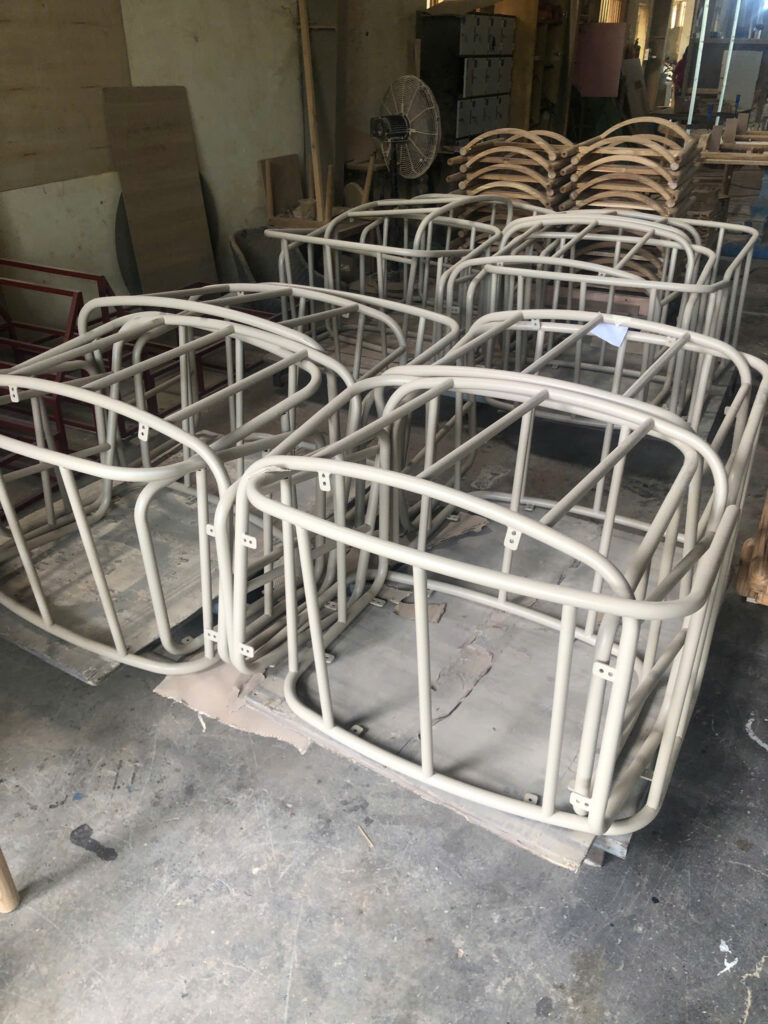
During a casual visit to a footwear manufacturer, the factory owner shared a surprising detail while guiding us past the stitching lines: his plant specializes in producing high-end women’s footwear for a prominent fashion brand.
Coincidentally, that happens to be the exact same fashion brand my family trusts and buys casual dress shirts from every season!
It was a great reminder of how global fashion brands operate in Vietnam. They rarely rely on a single mega-factory; instead, they split their lines across specialized manufacturing clusters. A brand might source its woven shirts from a dedicated textile cluster in Tan Binh, Ho Chi Minh City, while trusting its leather footwear line to a specialized factory an hour away.
Whether you are looking to develop outdoor/indoor living products, RTD beverages, footwear, or apparel, Pacific Goods Vietnam brings real-world relationships, deep local intuition, and boots-on-the-ground execution to your supply chain.
👉 Looking to source or develop your next product line in Vietnam? Send us a message today, and let’s find your ideal manufacturing partner.
Leave a Comment